“What’s the Controversy around Fishing During Spawning Season:?
“A band on fishing during spawning season and why”.
During spawn season, fishing should not be allowed to ensure the sustainability of fish populations and maintain the delicate balance of the ecosystem. Here there’s a story highlighting the importance of protecting fish during the spawn season.
Once upon a time, and the tranquil waters of the vast lakes, there live a school of gleaming silver trout. These trout were known far and wide for their strength and beauty, and every year during the spring, they embarked on a treacherous journey upstream to their spawning grounds.
As the snow melted and the flowers bloomed, the trout began their epic migration. The older fish led the way, carving a path through these swift current and rocky obstacles. While the younger ones followed close behind, eager to continue the cycle of life.
During this time, the fishermen in the nearby village would traditionally cast their lines into the water, hoping to catch one of these beautiful hauls of trout. However, as a trout population dwindled over the years, the villagers noticed the impact of their actions.
One wise elder remembered the days when the late teemed with fish and realized that the decline in the trout population coincided with the spa and season. He urged his follower villagers to cease fishing during this critical time, explaining that the trout needed to spawn undisturbed to ensure future generations.
Reluctantly, the fishermen agreed to a temporary fishing ban during spawning season. They watched and uh as the waters came alive with the delicate dance of courting trout, their skills shimmering in the sunlight as they performed their ancient ritual.
As the seasons change and the spawn season came to an end, the villagers marveled at the sight of countless young fry darting through the waters, a promise of a thriving future for their beloved lake.
From that day on, the villagers vowed to protect the spawn season, recognizing the vital role it played in maintaining the health of the lake and the fish that called it home. And so, the silver trout continued to grace the waters, a symbol are resilience and the delicate balance of nature.
Remember, during spawn season, let the fish spawn in peace to ensure the beauty and the abundance of nature for generations to come.
What is being done to protect fish during spawning season?
To protect fish populations, particularly during sensitive periods like spawning season, organizations, both governmental and non-governmental, implement various strategies to prevent or regulate fishing tournaments and general fishing activities. These strategies aim to ensure the sustainability of fish stocks and the health of aquatic ecosystems. Here are some common approaches:
- Seasonal Restrictions and Regulations: many regions implement fishing seasons that are designed to avoid critical periods such as spawning. During these times, fishing tournaments may be banned or heavily restricted.
- Catch and release: some tournaments are modified to be catch and release, minimizing the impact on the fish population. This practice is especially encouraged during spawning season to ensure that fish can reproduce Successfully.
- Slot limits and Bag limits: regulating the size and number of fish that can be caught and kept doing tournaments can help to protect spawning fish and ensure that only fish outside of critical size range (often those too young are too old for prime reproduction) are remove from the ecosystem.
- Education and Outreach: organizations often work to educate anglers and tournament organizers about the importance of preserving fish populations, particularly during spawning season. This includes providing information on fish biology, the ecological significance of spawning season. And how to fish responsibly.
- Habitat Protection Measures: Protecting the habitats where fish spawn is critical. This can involve restricting access to sensitive areas, improving habitat quality, and undertaking conservation projects that benefit fish populations.
- Research and monitoring: collecting data are fish populations and the impacts of fish activities help organizations make informed decisions about fishing regulations and tournament allowances. This ongoing research ensures that rules and regulations can adapt to changing environmental and population conditions.
- Partnerships and Collaborations: many organizations collaborate with local communities, anglers, and other stakeholders to develop responsible fishing practices and tournament guidelines. These partnerships help balance recreational and economic interest with conservation goals.
- Permitting and Enforcement: regulatory bodies often require permits for fishing tournaments, which allows them to control when and where these events take place. Enforcement of these regulations ensures compliance and help protect fish during critical periods.
By implementing these and other strategies, organizations aim to balance the recreational benefits of fishing tournaments with the need to protect and sustain fish populations.
“Don’t B’ Wishin B’ Fishin”
“The Origin of Net Fishing and its Beginnings”
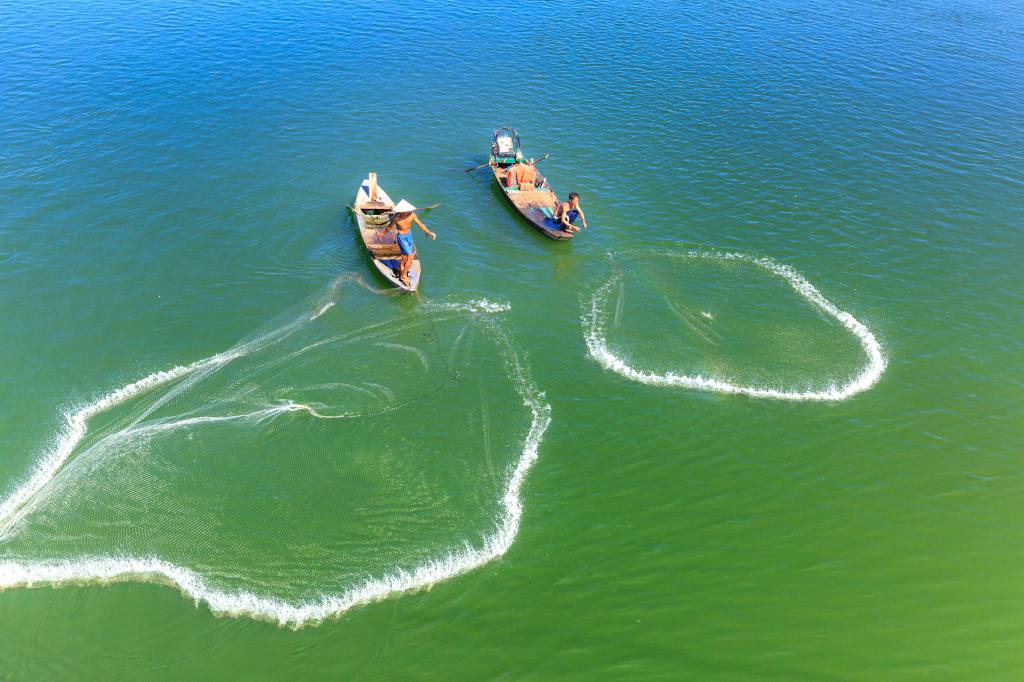
Net fishing has been used by various cultures throughout history for thousands of years. The exact origin of net fishing is difficult to pinpoint, as it was independently developed by different civilizations around the world. Some of the earliest evidence of net fishing comes from ancient Egypt, china, and Mesopotamia. In Egypt, drawings and paintings on tunes dating back to around 3000 BC depict the use of Nets for fishing in the Nile River. In China, net fishing is believed to have been practice as early as 3000 BC in the Yangtze River. Mesopotamian civilizations like the Sumerians also use Nets for fishing in the Tigris and Euphrates Rivers around 4000 BC. These early examples show that net fishing likely originated independently in multiple regions as a practical and efficient method for catching fish.
What materials are fishing Nets made of?
The materials used to make the first fishing Nets vary depending on the region and time period. In ancient times, fishing Nets were typically made from natural materials that were readily available in the local environment. Some of the earliest fishing Nets were made from plant fibers such as flax, hemp, and cotton. These fibers were twisted or braided together to create strong and durable Nets that would be used for catching fish.
In addition to plant fibers, early fishnets were also made from other natural materials like grasses, weeds, vines, and even animal sinew or intestines. These materials were chosen for their strength, flexibility, and ability to withstand exposure to water. Overtime, as technology and trade advance, fishnets began to be made from a wider range of materials such as silk, wall, and eventually synthetic fibers like nylon. Overall, the earliest fishing Nets were crafted from whatever materials were available locally and suited to the needs of the fishermen in different parts of the world.

What industries use fishing Nets more than others?
Many industries and companies around the world use fishing nets for various purposes, including commercial fishing, aquaculture, research, and conservation efforts. Some of the sectors and companies that rely heavily on fishing Nets include:
- Commercial fishing companies: companies involved in commercial fishing, such as trawlers, seiners, and longline vessels, used fishing Nets as a primary tool for catching fish in oceans, rivers, and lakes. These companies supply seafood to markets and restaurants worldwide.
- Aquaculture companies: Aquaculture companies that farm fish, shrimp, and other seafood species often use nets to contain and manage their aquatic livestock. Net pens and cages are commonly used to aquaculture operations to rear fish in a controlled environment.
- Conservation organizations: conservation organizations and environmental groups may use fishnets for activities such as removing marine debris, conducting habitat restoration projects, and assessing what wildlife rescue efforts. Nets are essential tools and conservation work aimed at protecting marine ecosystems and endangered species.
- Research institutions: research institutions and organizations study marine ecosystems and fish populations use fishing nets through collect data, conduct surveys, and monitor marine life. Scientific research vessels often deploy nets to sample fish and other organisms for research purposes.
Overall, fishing Nets are utilized by a wide range of industries and organizations for different applications, reflecting the importance of this tool in various aspects and marine resource management and conservation.
Fishing and Game regulations on fishing nets.
Fishing game regulatory agencies around the world have implemented various regulations governing the youth fishing Nets to ensure Sustainable fishing practices and the conservation of marine resources. These regulations often focus on limiting the type, size, and development of fishing Nats to minimize environmental impact and protect fish populations. Some common regulations set by Fish and Game authorities on fishing nets include:
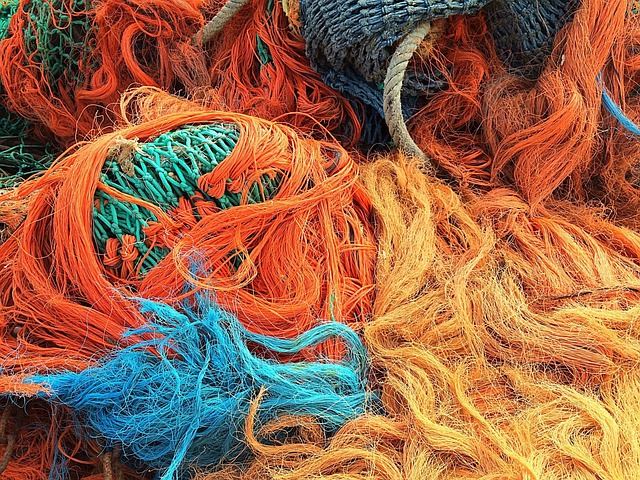
- Mesh size restrictions: regulations may specify minimum mesh size for fishing Nets to prevent the capture of undersized or juvenile fish. By using Nets with large mesh size, fisherman can allow smaller fish to escape and grow to maturity, maintaining the health of fish populations.
- Gear restrictions: some regulations restrict the types of fishnets that can be used, such as gillnets, trawls, or seines, to reduce by catch and minimize habitat damage. By specifying the gear type allowed, authorities aim to promote sustainable fishing practices and protect non-target species.
- Area closures: Fish and Game agencies may implement seasonal or permanent closures in certain areas to limit the use of fishing Nets and protect sensitive marine habitats, endangered species, or spawning grounds. These closures help conserve biodiversity and maintain ecosystem balance.
- Licensing requirements: individuals or businesses using fishing Nets may be required to obtain permits or licenses from fishing game authorities. These permits often come with conditions and restrictions to ensure compliance with fishing regulations add sustainable resource management practices.
- Monitoring and enforcement: Fish and Game agencies conduct monitoring and enforcement activities to ensure compliance with fishnet regulations. Patrols, inspections, and surveillance efforts help deter illegal fishing practices and protect marine resources from overexploitation.
By implementing regulations on fishing Nets, Fish and Game authorities aim to promote responsible fishing practices, protect marine ecosystems, and support the long-term sustainability of fisheries.
“Don’t B’ Wishin B’ Fishin”!!
Fly Fishing: “It’s History and Origin”
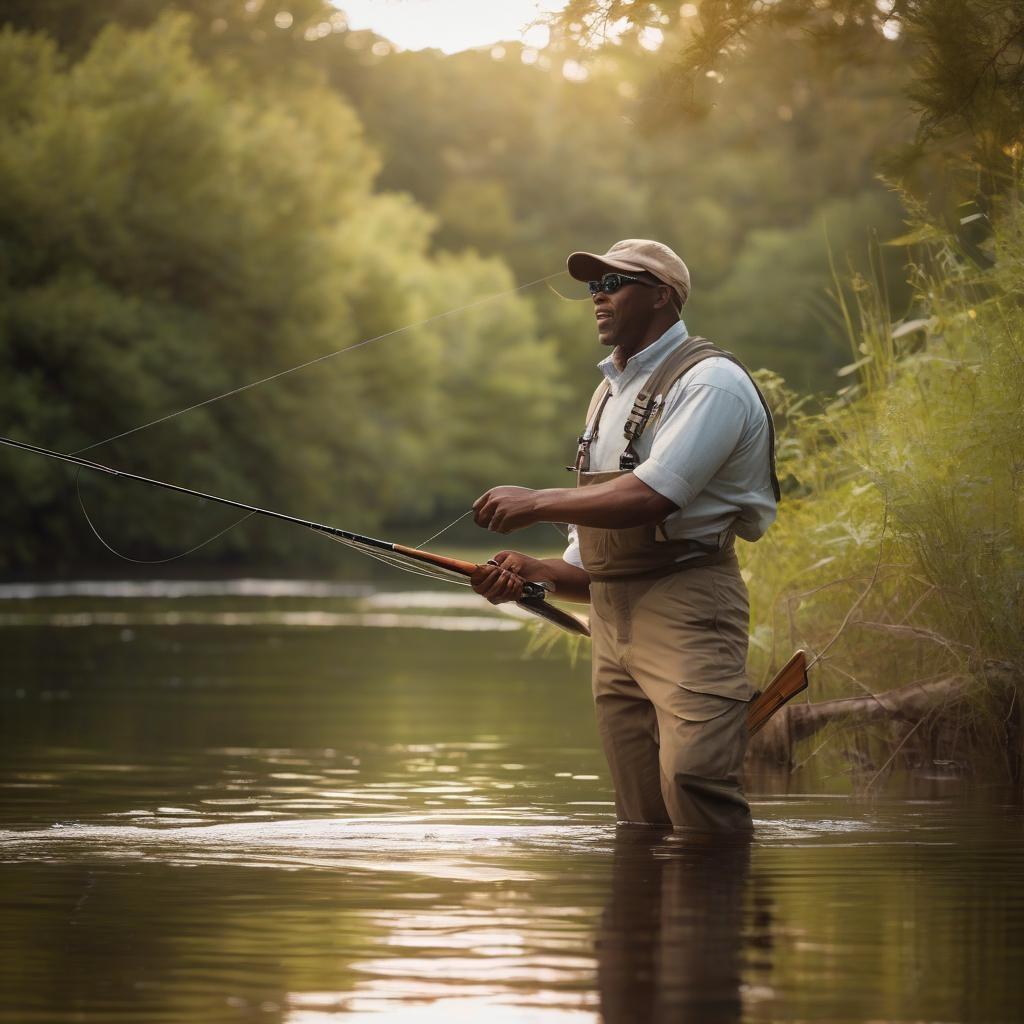
Fly fishing is a beautiful and meditative sport that involves using specialized equipment to cast a lightweight lure, typically made to look like a fly, onto the water to attract fish. It requires skill and precision in casting techniques to mimic the movement of insects or other prey that fish feed on. Fly fishing is often considered an art form due to the grace and technique involved and presenting the Lord to the fish. Many enthusiasts appreciate the peacefulness of being out in nature and the challenge of catching fish using this method.
Fly fishing has a rich history that spans centuries and continents. The practice of fly fishing can be traced back to ancient times, with evidence of flight time and fishing with artificial flies dating back to Macedonia in the 2nd century AD. The use of flies made from feathers, fur and other materials to imitate insects or other natural prey has been recorded in various cultures around the world.
In the 15th century, English writer Dame Juliana Berners penned “A Treatyse of Fysshynge with an Angler” one of the earliest known works on fly fishing. This treatise provided guidance on fishing techniques and fly patterns, helping to establish fly fishing as a distinct and specialized method of angling.
Fly fishing flourished in the 19th century, particularly in Scotland and England, where angers develop and refine modern casting techniques, tackle, and flight patterns. The establishment of exclusive fly fishing clubs and the publication of angling literature further popularize the sport.
Today, fly fishing is practice worldwide and has evolved into a beloved pastime for many outdoor enthusiasts. Where the fishing in rivers, lakes, or ocean, fly anglers continue to appreciate the art, technique, and challenge of this eloquent form of fishing.
Some popular books on fly fishing include the “Orvis guide to fly fishing” by Tom Rosen Bauer, “Fly fishing for Dummies” by Peter Kaminsky and “The Curtis Creek Manifesto” by Sheridan Anderson these books cover a wide range of topics from basic techniques to advanced strategies in fly fishing.
“Don’t B” Wishin B’ Fishin”!!
What is the controversy around Forward-Facing Sonar?
The controversy surrounding forward facing sonar typically revolves around its potential impact on marine life, particularly cetaceans such as dolphins and whales. Some concerns include disturbance to the animal’s natural behavior, potential disruption of their communications and feeding patterns, and physical harm from the sound waves emitted by the sonar. Additionally, there have been concerns about the cumulative effects of sonar on marine ecosystems as a whole. These issues have led to debates about the regulations and use of forward-facing sonar technologies in various marine environments.
A look at the pros and cons of Forward-Facing Sonar.
Pros:
- Improve Navigation: Forward-Facing Sonar provides real-time information about underwater obstacles, helping to enhance navigation and avoid potential hazards.
- Safety: It can help in preventing collisions with submerged objects, reefs, or other underwater obstacles.
- Search and Rescue: Forward Facing Sonar can be valuable for search and rescue operations by enabling the detection of underwater targets more efficiently than traditional methods.
- Fisheries: Used and fishery management, it can help locate fish and improve fishing efficiency, while also reducing the risk of damage to fishing gear.
Cons:
- Environmental impact: there are concerns about the potential harm to marine life due to the intense sound waves admitted by forward facing sonar, including disturbance to natural behaviors, communication interference, and physical harm to marine mammals.
- Regulatory challenges: The use of forward-facing sonar systems is subject to regulatory restrictions and guidelines to minimize their impact on marine ecosystems, which can pose challenges for industries and military operation.
- Cost of maintenance: maintaining forward facing sonar technology can be expensive, requiring specialized equipment and skilled personnel for operating and upkeep.
- Ethical considerations: some people have ethical concerns about the potential harm to marine animals and ecosystems, leading to debates about the responsible use of forward-facing sonar.
These are just a few points to consider, and the balance of pros and cons may vary in different context and applications.
“Don’t B’ Wishin B’ Fishin”!!
Online Tournament Directors -vs- Live Weigh-in Tournament Director and their responsibilities.
The Duties and Responsibilities of the Online Tournament Director.
- Plan the structure of the tournament: Decide the number of participants, the duration of the tournament, and the rules that will be followed. For instance, you may choose to hold the tournament for a week and allow participants to submit their largest catches each day. Such as a minimum length for each catch.
- Choose a platform for hosting the tournament: there are a few online tools and platforms that allow for hosting online fishing tournaments. Some popular options include TourneyX and iAngler Tournament. In addition, you may choose to use social media platforms like Facebook and Instagram to promote the tournament and share updates.
- Invite participants: share information about the tournament on social media and other online fishing communities. You may ask people to register for the tournament and pay an entry fee, which can go towards a prize for the winner. Be sure to set a deadline for registration and communicate the rules and structure of the tournament clearly.
- Launch the tournament: once the tournament is underway, participants can submit their catches to the designated platform. You may choose to have one or more judges who will review the submissions and verify that the catches meet the required criteria. You may choose to share updates and standings on social media throughout the tournament.
- Announce the winner: at the end of the tournament, calculate the scores and announce the winner. You may choose to award a prize or prizes to the top performing angler.
The Duties and Responsibilities of the live weigh-in Tournament Director.
When it comes to tournament directors be it online tournaments or live weigh-Ins there’s a lot of similarities, but the difference is it’s more in depth when it comes to a live weigh-in tournament. The duties of a fishing tournament director can vary depending on the size and scope of the tournament, but generally, the responsibilities include:
- Planning and Organization: the tournament director is responsible for planning and organizing all aspects of the fishing tournament, including securing the necessary permits, choosing the tournament location, setting the tournament schedule, and coordinating with sponsors and vendors.
- Rule Development: developing and enforcing the rules and regulations of the tournament, including determining eligible species, catch and release procedures, fishing boundaries, allowable equipment, and other competition guidelines.
- Marketing and Promotion: promoting the tournament to attract participants and spectators, which may include advertising, social media promotions, and working with local media outlets.
- Regulations and Participant Communications: managing the registration process for participants, communicating with registered anglers, and providing them with all the necessary information, such as tournament rules, schedules, and any updates.
- Logistics and Operations: overseeing the logistical aspects of the tournament, such as coordination with boat ramps, securing weigh-in locations, arranging for transportation of equipment, ensuring safety protocols are in place, and managing any necessary permits or insurance.
- Volunteer Coordination: recruiting, training, and managing volunteers who will assist with various tasks, including registrations, boat inspection, scorekeeping, and event setup and breakdown.
- Sponsor and Vendor Management: seeking and managing sponsorships, as well as coordinating with vendors and exhibitors who may be involved in the tournament.
- Safety and Compliance: ensuring that all aspects of the tournament comply with relevant safety regulations and guidelines, including boating safety, first aid provisions, and emergency response plan.
- Weigh-in and Scoring: overseeing the weigh in process, ensuring accurate measurement, and recording of catches, and managing the scoring system to determine tournament winners.
- Awards and ceremony: planning and coordinating the war ceremony, including the distribution of prizes and trophies to winners, as well as recognizing sponsors and volunteers.
- Post-Tournament Evaluations: Conducting a post-tournament evaluation to identify areas for improvement and gathering feedback from participants, sponsors, and volunteers.
The role of a fishing tournament director requires strong organizational skills, attention to detail, effective communication, and a thorough understanding of fishing regulations and best practices. Additionally, the director should have a passion for fishing and a commitment to creating a positive and enjoyable experience for all participants.
“Don’t B’ Wishin B’ Fishin”!!
The origin of tournament fishing!
Fishing Trade Shows!
There are several fishing trade shows held across the country, and here are some of them.
- International Convention of Allied Sportfishing Trades (ICAST) – held annually in Orlando, Florida.
- Pacific Northwest Sportsman’s Show – held annually in Portland, Oregon.
- The Fred Hall Show – held annually in Long Beach, California and Del Mar, California.
- New England Fishing and Outdoors Expo – held annually in Marlborough, Massachusetts.
- Big Rock Sports Trade Show – held annually in Raleigh, North Carolina.
These are just a few examples, and there are many other fishing trade shows held throughout the year in different locations. If you live in any of these areas where these trade shows are being held and if you like to fish take the time to visit one of these trade shows. The experience would be life changing as an angler a little bit about one of the premier sport fishing trade shows in the country, ICAST.

ICAST stands for the International Convention of Allied Sport Fishing Trades, which is the world’s largest sport fishing trade show. It is held annually and brings together companies and professionals from every aspect of the fishing industry, including manufacturers, wholesalers, retailers, and media outlets.
ICAST is considered the premier venue for showcasing new fishing products and technologies, as well as for networking, attending educational seminars, and discussing industry trends. It is attended by thousands and visitors from around the world, making it a great opportunity to connect and learn about the latest developments in the fishing industry.
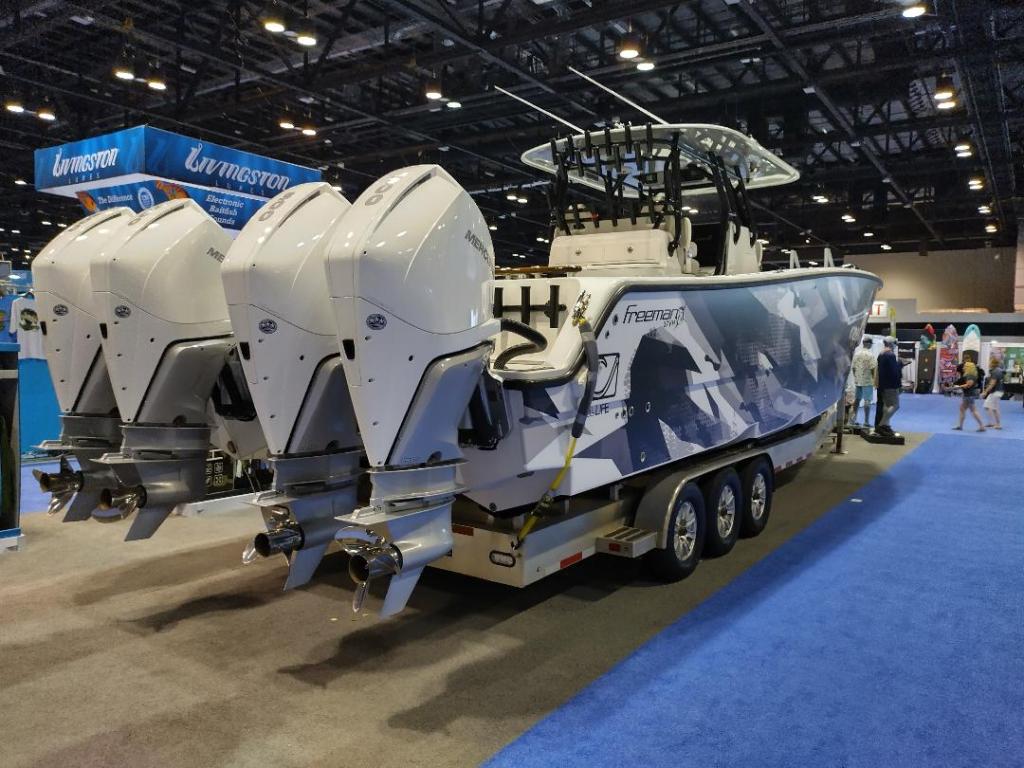
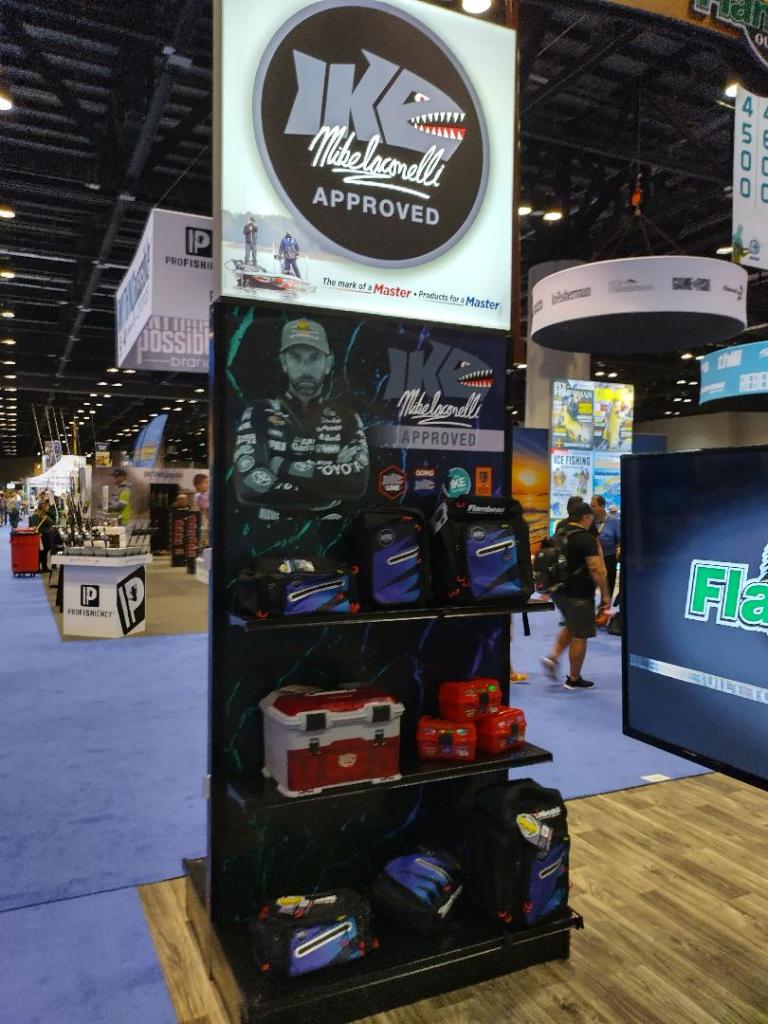
So, ICAST is a critical event for anyone involved in the fishing industry, including manufacturers, suppliers, dealers, retailers, and even anglers themselves. At ICAST, attendees can see the latest products and technologies, network with other industry professionals, and stay up to date on the latest trends and development in the fishing world.
“Don’t B’ Wishin B’ Fishin”!!
The Original fishing Tournament!
The exact origin The of fishing tournaments is unclear, but they can be traced back to the late 19th century The one of the first recorded fishing tournaments took place in the United States in 1874, on lake Michigan in the state of Illinois. In the 18th century fishing tournaments were not as formally organized as they are today. However, there were still competitions where fishermen would compete to catch the largest or most fish. These competitors usually come from nearby villages or towns competing against each other.
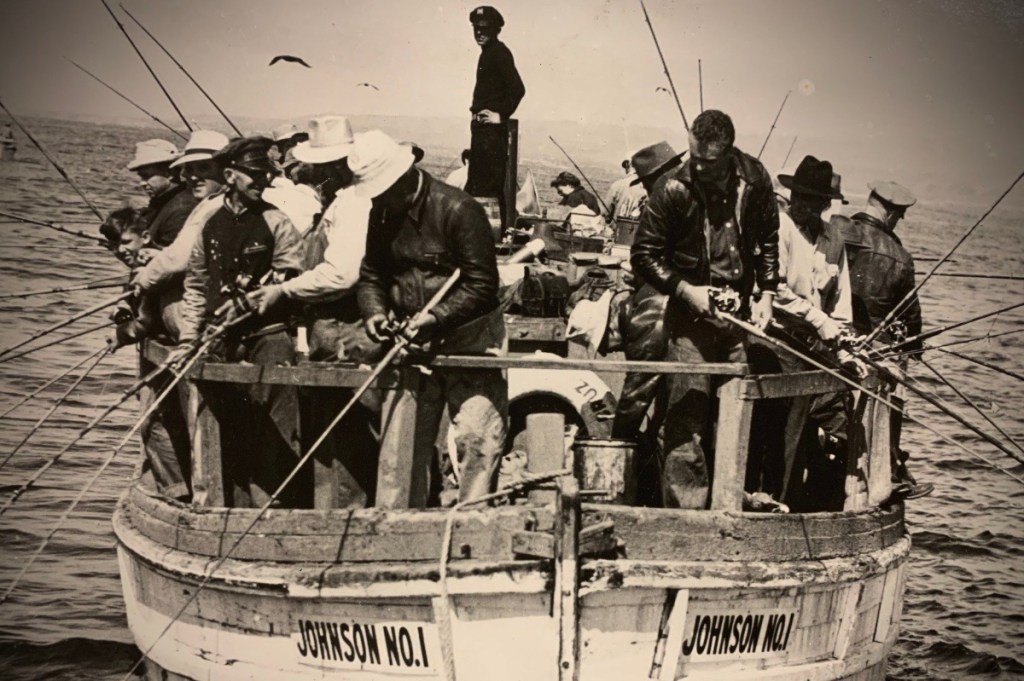
The rules and regulations for these competitions vary depending on the organizer. Some competitions were held for a set period of time, with the winner being the person who caught the most fish during that time. Others were based on the weight of the fish caught, with the person who caught the heaviest fish being declared the winner.
Without modern fishing technology, fishing in the 18th century often relied on simple wooden boats and basic fishing gear. Anglers would use bait such as worms or insects to catch fish, and they would often fish in groups or pairs up to increase their chances of success.
Overall, fishing tournaments in the 18th century were a way for fishermen to compete, socialize, and show off their skills. They were an important part of local fishing culture and helped to build community and camaraderie among fishermen. However, it wasn’t until the early 20th century that fishing tournaments became more organized and widespread. Today, fishing tournaments are held all over the world and are popular with both amateur and professional anglers.
“Don’t B’ Wishin B’ Fishin”!!
Why kids should join middle and high school bass clubs and its benefits.
There are several reasons why kids should consider joining middle and high school bass fishing clubs.
- Outdoor recreation: becoming a part of a bass fishing club provides an opportunity for kids to enjoy outdoor activities and connect with nature. It encourages them to unplug from screens and engage in a healthy hobby that promotes physical activity.
- Teamwork and camaraderie: joining a fishing club allows kids to develop teamwork skills by working together with their peers to plan strategies, share knowledge, and support each other during fishing tournaments or Audis. It fosters a sense of camaraderie and friendship among club members.
- Skill development: participating in a bass fishing helps kids develop various skills. From learning about different fish techniques and equipment to studying fish behavior and environmental factors, they can acquire a range of practical knowledge. Accordingly, they can enhance their patients, problem solving abilities, and decision-making skills while tackling challenges that arise during fishing.
- Conservation awareness: bass fishing clubs often emphasize the importance of environmental stewardship and conservation. Kids can learn about the significance of sustainable fishing practices, protecting habits, and maintaining the ecological balance of aquatic environments.
- Competitive spirit: joining a bass fishing club provides an opportunity for friendly competition. Participating in fishing tournaments at the middle and high school level can help kids learn how to handle pressure, set goals, and strive for personal improvement. And it also teaches them good sportsmanship and how to handle victory or defeat graciously.
- Networking and mentorship: being a member of a fishing club allows kids to interact with experienced anglers, coaches, and mentors who can provide guidance and share their knowledge. This networking opportunity can help them learn new techniques, gain insights, and build valuable connections within the fishing community.
- Scholarship opportunities: many colleges and universities offer bass fishing scholarships for talented student anglers. By joining a bass fishing club in middle or high school, kids can start honing their skills early and increase their chances of receiving scholarships for higher education.
Overall, joining middle and high school bass fishing clubs offer a range of benefits, for enjoying outdoor recreation and developing skills to fostering teamwork and conservation awareness. It’s a rewarding activity that can have a positive impact on a child’s personal growth and future opportunities.
For those who did not know, here are the top 25 major colleges and universities across the country that have fishing teams. Not only do these colleges and universities have fishing teams but they also scout young talented anglers from middle and high school bass clubs across the country to recruit for the university or college fishing teams.
- North Carolina State university
- Auburn University
- University of North Carolina Charlotte
- Virginia Tech
- University of Wisconsin university Madison
- GCSU
- University of Wisconsin- Stevens point
- Murray State University
- Clemson University
- Georgia Southern University
- University of North Alabama
- University of Wisconsin – whitewater
- southern Illinois University
- University of Tennessee
- Purdue University
- Tarleton State University
- Indiana University
- Kansas State University
- Texas A and M university
- University of Florida
- Texas State University
- University of Iowa
- Arizona State University
- Kennesaw State University
These are your top 25 colleges and universities of the country that are bass fishing colleges.
“Don’t B’ Wishin B’ Fishin”!!
Tournament fishing for Redfish
Redfish tournaments:
People who participate in competitive fishing tournaments, specifically those that involve catching redfish, commonly enter redfish tournaments. These individuals are typically experienced anglers who specialize in catching this particular species and are motivated by the challenge of testing their skills against other skilled fishermen in a competitive environment. The tournaments may be organized by fishing clubs are associations and offer prizes or recognition for the top performance.
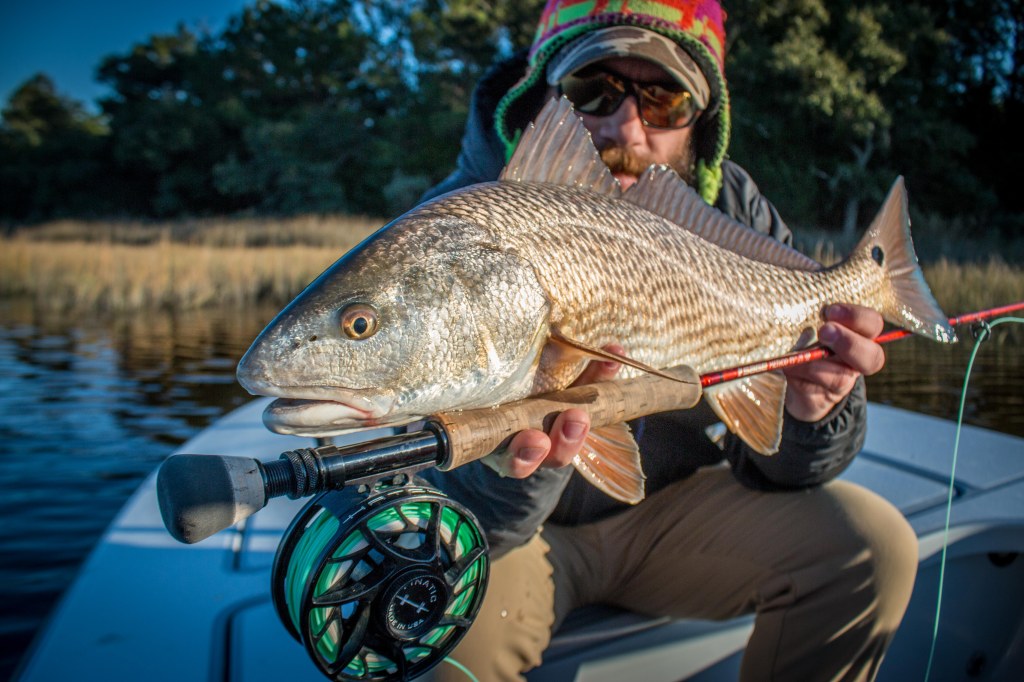
Red fish tournaments are held in different locations, depending on the organizer and the type of tournament being held. Some proper locations for red fish tournaments include Florida, Louisiana, Texas, and other states along the gulf coast. Moreover, some tournaments are also held in the Atlantic coast, especially in northeastern states such as Virginia, Maryland, and New Jersey. However, the location of redfish tournaments may vary based on the event’s schedule and organizer, so it is best to check their specific website or social media pages for the latest updates.
The type of vessel that is best for catching redfish depends on various factors such as the location of the fishing grounds, the size of the redfish, and personal preference. However, some common types of vessels used for catching red fish include flats boats, bay boats, and center console boats.
Flats boats have a shallow drift and are designed to navigate through shallow waters, making them great for fly fishing or sight casting.
Bay boats are designed for fishing in bays, near shore waters, or estuaries and have a moderate drift, making them more versatile. Meanwhile center console boats are large and more versatile, allowing for fishing in bays or nearshore waters, and in-between.
Ultimately, the best vessel for catching red fish is one that is well suited to the fishing conditions and the angler’s preference. It’s best to do some research and consult local guys or experienced anglers in the area to help determine the best type of vessel for catching redfish in a particular location.
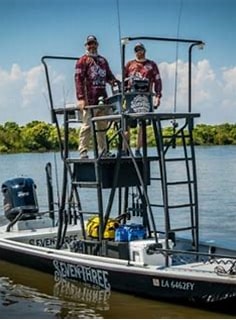
The equipment commonly used for catching red fish includes:
- Rod and reel: medium to heavy spinning or casting rod between 6.5 to 7.5 feet long. Match with a real capable of handling at least 150 yards of 12-to-20-pound test line.
- Line: 12-to-20-pound test monofilament or braided line depending on the conditions.
- Leader: 20-to-30-pound test fluorocarbon or monofilament leader material including wire depending on the fishing conditions.
- Hooks: 2/0-to-5/0 Hooks depending on the bait size and type.
- Lures: soft plastic lures such as swim baits, jerk baits, and paddle tail work well for red fish.
- Bait: popular live bait for red fish includes shrimp, crabs, and finger mullet.
- Tackle box: a well-organized tackle box with various hooks, lures, and leader material.
- Landing net: a landing net to safely land and release the fish.
- Polarized sunglasses: these will help you see into the water and locate schools of redfish.
- Sun protection: sunscreen, hat, and clothing to protect from the harmful effects of the sun.
“Don’t B’ Wishin B’ Fishin”!!
Recipes for your favorite freshwater catch!
Here’s a great recipe for cooking bass:
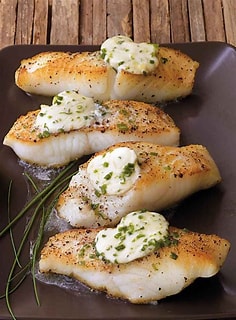
Ingredients:
One whole bass, clean and scaled (around 2lbs)
¼ cup soy sauce
2 tablespoons honey
2 garlic cloves, minced
¼ rice vinegar
1 tablespoon of sesame oil
salt and pepper to taste
Thinly sliced scallions and sesame seeds for garnish.
Cooking Instructions:
- Preheat your grill to medium-high heat!
- In a small bowl, whisk together the soy sauce, honey, garlic, rice vinegar, sesame oil, salt, and pepper.
- Brush the mixture on both sides of the bass, making sure to coat the whole fish.
- Place the bass on the grill and cook for around 5 to 7 minutes on each side, until the skin is crispy and the flesh is cooked through.
- Transfer the best to a serving platter and garnish with a slice of scallions and sesame seeds.
- Serve hot with your favorite side dish, such as steamed rice and grilled vegetables.
Enjoy your bass.
Recipe for fried Crappie:

Ingredients:
4 fresh crappie fillets (skin on)
1 Cup of all-purpose flour
1 tsp of salt
1 tsp of garlic powder
½ tsp of black pepper
½ paprika
½ tsp of onion powder
½ tsp of cayenne pepper
1 egg (beaten)
½ cup of milk
½ cup of cornmeal
Vegetable oil
Cooking Instructions:
- Where’s the crappie fillet under cool running water and pat them dry with paper towels.
- In a mixing bowl, combine the flour, salt, garlic powder, black pepper, paprika, onion powder and cayenne pepper (if using) and stir well.
- In another mixing bowl, combine the beaten egg with the milk and whisk well.
- Pour the cornmeal on to a plate or a shallow dish.
- Dip each crappie filet into the flour mixture, then into the egg mixture, and finally coat in the cornmeal, pressing the corn mill onto the fish to adhere.
- In a large skillet, poor enough vegetable oil to fill the bottom to about ½ inch, and heat over medium-high heat.
- Once the oil is hot, carefully place the coded crappie fillets into the skillet, skin side up.
- Cook for 2 to 3 minutes or until the bottom is golden brown, then carefully flip the fillets and cook for an additional 2 to 3 minutes, or until the fish is cooked through and the coding is crispy.
- Remove the cook filets from the skillet with a Slotted spatula and transfer them to a paper towel lined plate to drain off any excess oil.
Serve hot with your favorite sides, such as coleslaw, hush puppies, or French fries. Enjoy!
Here’s a great recipe for walleye:
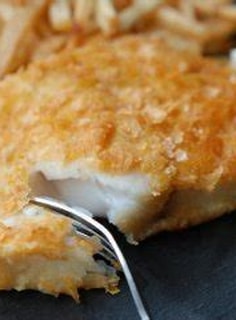
Ingredients:
4 Walley Fillets
½ cup of all-purpose flour
½ teaspoon salt
½ teaspoon black pepper
1 teaspoon paprika
¼ teaspoon cayenne pepper
4 tablespoons butter
1 lemon
Instructions:
- Rinse and dry the walleye filet.
- in a shallow dish, mix together the flour, salt, black pepper, paprika, and cayenne pepper.
- In a large skillet, heat the butter over medium high heat.
- Dip each walleye fillet into the flour mixture, shaking off any excess, then place the fillets in the skillet.
- Cook for about 4 to 5 minutes on each side or until golden brown and crispy.
- Squeeze fresh lemon juice over the fillets and serve immediately.
Enjoy your delicious walleye fillets as a main course with your favorite sides.
A great recipe for Pike:
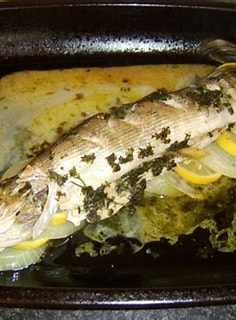
Ingredients:
1 Whole Pike (about 2 – 3 pounds), cleaned
2 Garlic cloves, minced
2 tablespoons olive oil
1 teaspoon salt
½ teaspoon black pepper
½ teaspoon paprika
¼ Cup dry white wine
1 lemon, sliced into rounds
Cooking Instructions:
- Preheat the oven to 375 F.
- Rinse the Pike under cold water and pat dry with paper towel.
- Rub the garlic and the olive oil all over the pike, making sure to get it in the cavity as well.
- Season the Pike generously with salt, black pepper, and paprika, both inside and out.
- Poor the dry white wine into a baking dish large enough to hold the pike comfortably.
- Place the lemon slices inside the cavity of the Pike.
- Place the Pike in the baking dish, then pour the remaining wine over the top.
- Cover the dish with foil and bake in the preheated oven for 30 to 40 minutes, or until flesh flakes easily with a fork.
- Serve the Pike hot, with the lemon slices and pan juice spooned over the top.
Enjoy!
Cooking Muskie:
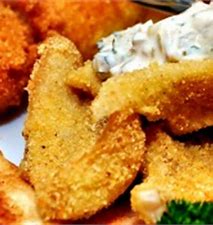
Preparing muskie can be a bit of a challenge since it has a strong taste and requires some extra care in cooking to get the best flavored possible. Here are some steps you can follow:
- Start by cleaning the fish thoroughly, removing the scales and guts.
- Rinse the fish with cold running water and pat it dry with paper towels.
- Cut the fish into steaks or fillets, depending on your preference.
- Season the fish with salt, pepper, and any other herbs or spices of your choice.
- Heat up a skillet with some oil over medium high heat.
- What’s the skillet this hot, place the fish in the pan and cook for 4 to 6 minutes on each side, or until the fish is cooked through.
- Keep an eye on the fish while it’s cooking and adjust the heat if necessary to avoid burning it.
- Once the fish is cooked, remove it from the skillet and let it rest for a few minutes before serving.
- Serve the muskie with your favorite sides, such as roasted vegetables or a salad.
Hope this helps, happy cooking!
Here’s a delicious recipe for fried catfish:
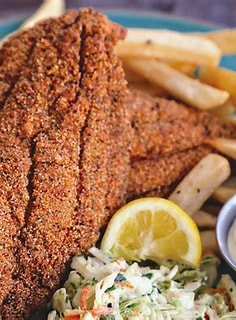
Ingredients:
4 Catfish fillets
1 cup all-purpose flour
1 teaspoon salt
1 teaspoon black pepper
1 Teaspoon garlic powder
1 teaspoon onion powder
1 teaspoon paprika
1 egg, beaten
½ Cup milk
vegetable oil, for frying
Cooking directions:
- In a shallow dish, mix together the flour, salt, pepper, garlic powder, onion powder, and paprika.
- In a separate bowl, whisk together the egg and milk.
- Dip each catfish filet into the egg mixture, then coat with the flour mixture.
- Heat about 1/4 inch of vegetable oil in a large skillet over medium high heat.
- Fry the catfish fillets and the hot oil for three to four minutes on each side or until golden brown.
- Remove from the skillet and place on a paper towel line plate to drain excess oil.
- Serve hot with your favorite dipping sauce and side dishes.
Enjoy your delicious fried catfish!
“Don’t B’ Wishin B’ Fishin”!!
Fishing for Crustaceans
Crus-ta-cean: An arthropod of large, mainly aquatic group Crustacea, such as a crab, lobster, shrimp, or barnacle.
Fishing for crustaceans: In this blog we will discuss two out of the four crustaceans that our being Harvested throughout the country for market.
Crab fishing:
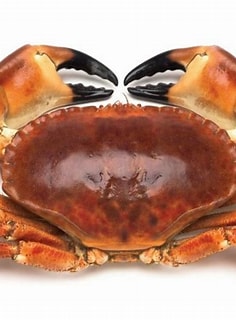
Commercial crab fishing has been a significant industry in the United States for well over a century. It began in the mid-1800s mainly on the East Coast, with the development of crab pots and other commercial fishing techniques. However, it was not until the early 20th century that the commercial crab fishing industry really took off. The introduction of new technologies such as steam powered vessels and more advanced crab pots allow fishermen to capture large quantities of crabs which could then be sold to a wider market.
By the 1920s, crab fishing industry had expanded to the West Coast, where Dungeness crowds were particularly abundant. San Francisco became the epic center of the West Coast crab fishing industry, with many fishing vessels operating out of the harbors.
Throughout the 20th century, the commercial crab fishing industry faced various challenges, including overfishing, declining populations of crabs, and challenging regulations. However, the industry persists that, and today it remains a significant contributor to the economies of coastal towns throughout the United States.
In recent years, the commercial crab fishing industry has faced new challenges, such as the 2015-2016 Dungeness Crab season delay due to the high levels of domoic Acid in the crabs. However, with advances in fishing technology and a renewed focus on sustainability, the commercial crab fishing industry is poised to continue as an important part of the fish industry in the United States.
Lobster fishing:

The lobster fishing industry involves harvesting lobsters from the ocean for consumption. This industry involves a number of different activities, including catching, processing, and selling lobsters. In order to catch lobster, fishermen typically use lobster traps, which are placed on the ocean floor. These traps are baited with fish and other types of food that are tractive to the lobsters. Once the lobsters are caught, they are brought back to the shore and processed.
Processing the lobsters typically involves sorting them by size and sex. The lobsters are then taken to a facility where they are either sold to a wholesaler or directly to a restaurant or retailer.
The equipment needed to fish for crustaceans can vary depending on the type of crustacean being targeted and the method of fishing. However, there are some general tools and equipment that are commonly used by fishermen.
- Traps: traps are commonly used to catch crustaceans like crabs and lobsters. Traps can be made of mesh wire or Wicker and are designed to entice the crustacean with bait and then trap them.
- Bait: bait is used to lure the crustaceans into the trap. Common baits include fish heads, chicken, and clams.
- Gloves: gloves are essential when fishing for crustaceans as they often have sharp claws that can cause injuries. Gloves offer protection for the hands while handling the crustaceans.
- Net: a net may be needed to retrieve the traps from the water. A net can also be used to capture smaller crustaceans that may be too small for the traps.
- Boat: a boat may be required depending on the location of the fishing area. If fishing and deep waters, a boat is essential to drop the traps and retrieve them.
- Bucket: A sturdy bucket is essential to hold the **** crustaceans. It is important to treat the crustaceans carefully, so they survive until they can be released or taken home.
Keep in mind that the fishing regulations and restrictions on the size and number of crustaceans that can be caught may vary from location to location. It’s important to check local regulations before fishing for crustaceans.
The lobster fishing industry is a major economic driver in the many coastal communities, particularly in New England and in Canadian Maritimes. However, the industry faces many challenges, including overfishing, climate change, and changing consumer demand. As a result, many fishing communities are working to create sustainable practices to ensure that the industry can continue to thrive in the years to come.
Don’t B’ Wishin B’ Fishin”!!
The Origin of Kane Pole Fishing
Kane fishing, also known as bamboo fishing, originated in East Asia, particularly in China, Japan, and Korea.
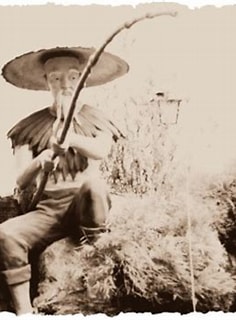
The use of bamboo as a fishing rod material can be traced back to ancient times in these countries the characteristics of bamboo, such as flexibility and strength, made it an ideal material for fishing rods. Overtime, Kane fishing, and it is still a popular method for fishing today.
Kane fishing is believed to have been introduced to the United States by early European colonists. The Native Americans had their own fishing techniques, which were mostly based on using nets and spears, while the Europeans were more familiar with methods such as angling and fly fishing. It is likely that these European settlers adapted it to the American freshwater system.
Kane pole fishing is a popular and traditional method of fishing where a long pole, usually made of bamboo or other types of wood, is used as a fishing rod. In the South cane poles are often the preferred fishing tool for people fishing in small streams and ponds, which are abundant in the southern region.
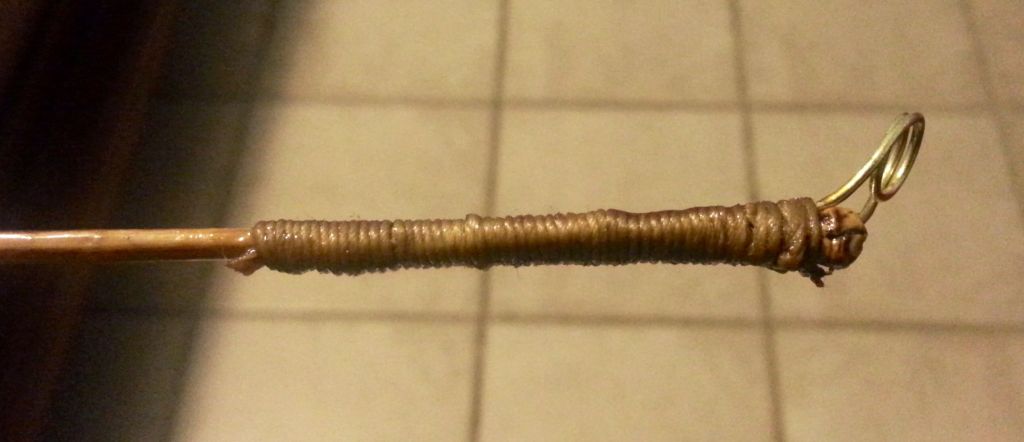
Kane pole fishing is a popular and traditional method of fishing where a long pole, usually made of bamboo or other types of wood, is used as a fishing rod. In the South cane poles are often the preferred fishing tool for people fishing in small streams and ponds, which are abundant in the southern region.
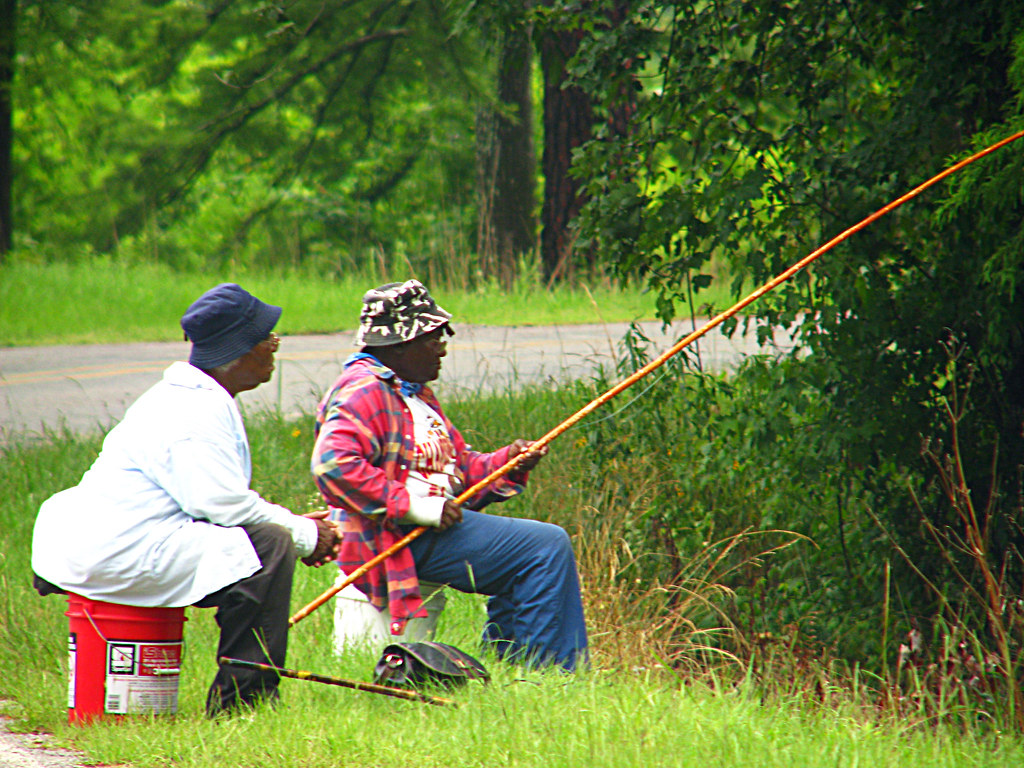
The portability is ease of use for cane poles make them ideal for this type of fishing. Secondly, cane poles are versatile and can be used for a variety of fish styles, including bait fishing, fly fishing, and jigging, which are all popular in the south.
Lastly, Kane poles are typically made from material that I readily available in the southern region, such as bamboo and other natural reeds, making them and affordable and sustainable option for fishing enthusiasts. Here are some tips for Kane pole fishing.
- Choose the right size pole: The length of the pole should be determined by the type of fish you are targeting, usually 8 to 12 feet in length, the location of the fishing spot, and your own comfort level. In general, larger fish in deeper waters.
- Use the right bait: Depending on the species of fish you are targeting; different types of baits will be more effective. Some popular baits for cane pole fishing include worms, insects, and small pieces of bread.
- Use a Bobber: A bobber is a floating device that is placed on the line to indicate when a fish has taken the bait. This can be especially helpful when using a cane pole, as it can be difficult to detect bites without one.
- Use a light line: Using light fishing line will make it easier to detect when a fish has taken the bait and will also make it easier to reel in the fish once caught.
- As always be patient: Kane pole fishing requires patience and focus. It can take some time before a fish takes the bait, so be prepared to wait and enjoy the peacefulness of the fishing experience.
Overall, cane pole fishing can be a great way to enjoy the outdoors and the abundance of fishing opportunities in the South.
“Don’t B’ Wishin B’ Fishin”!!
The Origin of Bowfishing
Bowfishing is an ancient technique that has been used by various cultures around the world from thousands of years period it is believed to have originated in Egypt and Mesopotamia (modern-day Iraq), where fishermen use bows and arrows to catch fish in the Nile and Tigris River. Bowfishing is an ancient technique that has been used by various cultures around the world from thousands of years period it is believed to have originated in Egypt and Mesopotamia (modern-day Iraq), where fishermen use bows and arrows to catch fish in the Nile and Tigris River.
The practice was also common among Native American tribes in North America, who use bowfishing to catch freshwater fish such as carp and catfish. In addition, some Pacific Islander cultures use bowfishing to catch shark, rays, and other large fish.
Today, bowfishing has become a popular sport and recreational activity, with modern equipment and techniques making it easier and more accessible for people to try.
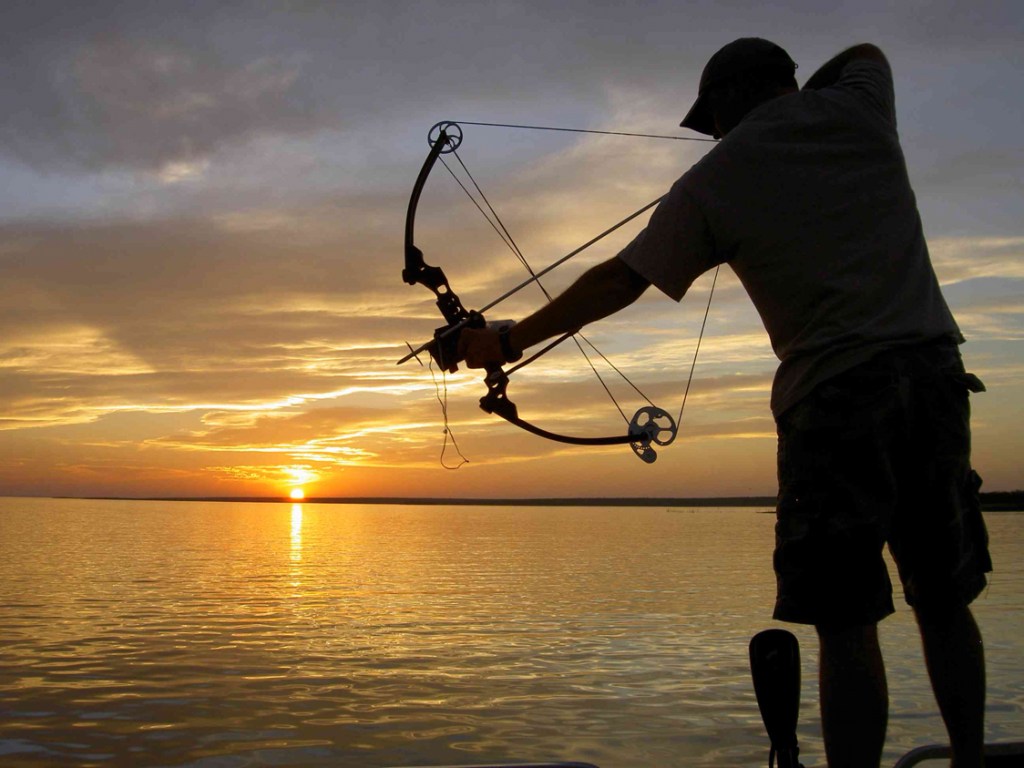
The basic equipment needed for bowfishing includes a fishing bow, fishing reel, bow fishing arrows, bowfishing line, and a bow fishing reel seat.

Additional recommended gear may include polarized sunglasses, a headlamp or flashlight for night fishing, a boat, or kayak, and a bowfishing rest or stand. It’s important to ensure that all equipment is in good condition and properly set up for the specific type of fish being targeted.
Bowfishing techniques:
Bowfishing is a method of fishing that involves using a specialized bow and arrow to catch fish. Here are some of the techniques used in bowfishing:
- Spot and Stalk: This technique involves spotting fish in the water and slowly approaching them, taking aim, and shooting.
- Platform Fishing: this technique involves using a boat or a platform to get a better view of the water and the fish.
- Ambush: this technique involves waiting for fish to come into range and then taking the shot
- Light Attraction: this technique involves using a light source to attract fish to the surface and then taking the shot.
- Shooting into Structure: this technique involves shooting into underwater structures like logs and brush piles, where fish are likely to be hiding.
Remember to always follow local regulations and practice safe measures while bowfishing.
Bowfishing tournaments:
Bowfishing tournaments are held in various locations, depending on the organizers and the type of fish being targeted. Some popular locations for bowfishing tournaments include rivers, lakes, and coastal areas that are known for their abundance of fish. Some states and regions also host annual bowfishing tournaments, such as the Texas boat fishing associations annual tournament, held on lake Tawakoni, Texas. It’s best to check with local fishing organizations or social media groups to find out about upcoming bowfishing tournaments in your area.
“Don’t B’ Wishin B’ Fishin”!!
Fisheries & Conservation
Fishery conservation: Fishery conservation typically refers to efforts to protect and manage fish populations in order to maintain their sustainability and prevent overfishing. This involves implementing policies and practices that aim to balance the needs for commercial and recreational fishing industries with the long-term health and viability of fish populations and their ecosystems. Conservation measures my include things like regulating, fishing seasons and catch limits, setting up protected areas where fishing is prohibited, encouraging sustainable fishing practices, monitoring and tracking fishing populations, and collaborating with fishing communities and stakeholders to ensure that conservation efforts are effective and sustainable in the long term period the goal of fishery conservation is to ensure that we can continue to rely on fish as a valuable food source and preserve the ecological balance of other ocean and waterways for future generations.
Freshwater fishery conservation organizations:
There are several organizations that work towards protecting freshwater fisheries. Some of them are:
- Trout unlimited: It is a nonprofit organization that aims to conserve, protect and restore north Americans trout and salmon fisheries and their watersheds. (To donate to this org. contact by phone toll free 1-800-834-2419, 9:00-5:00 Eastern).
- American Fisheries Society: It is a professional society that promotes sustainability and conservation for fisheries and aquatic resources. (For contact: (301) 987-8616 – Email: main@fisheries.org & web fisheries.org)
- Natural Wildlife Foundation: they work to protect wildlife and their habitats, including freshwater fisheries. (Location: Houston, TX, US – Email: Info@nwlfd.org, web: nwlfd.org)
- The Nature Conservancy: They work towards protecting freshwater resources and the habitats of fish, birds and other animals. (Location: 4245 N. Fairfax Dr, Arlington, VA, US, Virginia: (703)841-5300: nature.org)
- World Wildlife Fund: the organization works globally to conserve the world’s species, including freshwater fish and their habitats. (Nonprofit organization: (800) 960-0993: Email: membership@wwfus.org
- Freshwater fishing Trust by Orvis: Aiming to protect and conserve freshwater fisheries and their habitats, this organization supports projects that help serve and enhance these vital resources for future generations. http://www.orvis.com
Ocean fisheries conservation organization:
There are several organizations that protect fisheries and work towards protecting sustainable fishing practices. Some of these organizations include: - Marine Stewardship Council (MSC) – it is an international nonprofit organization that sets standards for sustainable fishing and seafood traceability. The organization works with fisheries, seafood companies, and retailers to ensure that wild-caught seafood is caught using sustainable methods. http://www.msc.org
- World Wildlife Fund (WWF) – it works to promote sustainable fishing practices and protect marine ecosystems. The organization engages with local communities, governments, and industry stakeholders to build solutions that promote sustainable fishing practices. http://www.help.worldwildlife.org
- Seafood Watch – it is a program of a Monterey Bay Aquarium that provides recommendations for sustainable seafood choices. The program works to educate consumers and businesses about the impacts of seafood production and to promote sustainable fishing practices. http://www.seafoodwatch.org
- International Seafood Sustainability Foundation (ISSF) – that’s a global partnership of scientists, the tuna industry, and the wildlife fund that promotes science-based initiatives for the long-term conservation and sustainable use of tuna fisheries. http://www.iss.foundation.org
- The nature conservancy – it works to promote sustainable fishing practices and protects marine habitats by collaborating with local communities, government agencies, and industry stakeholders. The organization seeks to improve the health and resilience of fisheries and marine ecosystems. http://www.preserve.natur.org
These organizations play a vital role in the conservation and preservation of our freshwater and ocean fisheries habitats. Not only do these organizations protect our ocean, streams and lakes, it is also the responsibility of the angler to also help protect our ocean, streams, and lakes. It is important to protect all habitats for future generations to enjoy.
“Don’t B’ Wishing B’ Fishin”!!
CHECK OUT POST ONLINE FISHING TOURNEYS – THE FUTURE OF COMPETITIVE ANGLING? BY JOE NELSON OF JOE NELSON OUTDOORS
Fishing and the Black (Indigenous) community
By: Ron Pratt
When it comes to black (Indigenous) anglers I have found many across the country on the internet. Some belong to bass clubs or fishing from shore to show pics of their catch on facebook or instagram. Some are Kings Of Bass or they call themselves the Bass Pro. I have found black (Indigenous) anglers that tie jigs, can build fishing rods and even have apparel companies, but the one thing you don’t find is black owned tournament organizations like, MLF, BASS, FLW ect.
Black (Indigenous) anglers have been the cornerstone of commercial fishing. There were nine hundred Black commercial fishermen in Chesapeake Bay. Today, there are nine. (see the story: Black Fishermen are the cornerstone of America’s Commercial Industry – But Where are they Now). In 2016 there were 71.23% of white commercial anglers and 2.02% of black (Indigenous) commercial anglers. By 2019 there were 71.11% white commercial anglers and 3.13% black (indigenous) angler.
Now when it comes to black (indigenous) pro anglers from the past and today would be: Alfred Williams: the first Black (Indigenous) angler to fish the bassmaster classic and FLW, Ish Monroe, Mark Daniels Jr, Brian Latimer, and Ke’Mari Cooper the winner of the Johnny Morris Bass Pro Shops amateur open, a future bass pro. But this is only a handful of black (indigenous) anglers that are household names in the industry. So what do we do to bring more awareness to black (Indigenous) anglers to the sport of fishing?
“Don’t B’ Wishin B’ Fishin”!!
Fishing and Black Indigenous community part 2
In part one of this blog I mentioned, there were several black indigenous anglers who have made great attributes to the sport of bass fishing. The question remains, why aren’t black indigenous anglers more in the forefront of the sport? In my research I found that racism plays a big part of it, from commercial fishing to sport fishing. So what do we do to bring more awareness to black (Indigenous) anglers to the sport of fishing? There are organizations like Brown Folks Fishing that is by and for Black, Indigenous, and People of Color (BIPOC), (brownfolksfishig.com).
Then there’s the Team Trail Bass’n Association (TTBA) which is a black Indigenous owned grassroots organization based out of Las Vegas NV.
The TTBA hosts bass tournaments, but the difference between the TTBA and other bass tournament organizations is that we host our tournaments online. Now this is a new concept to a lot of anglers but it’s not new to the sport of fishing. If you were to fish a bass tournament from a kayak you would have to use an app inorder to submit your entry. This is the same concept but you don’t need to have a boat. This is how Black, Indigenous, People of Color can come together and have a league of their own that competes on the same level as other major organizations, but it’s only done online.
This is how Black Indigenous People of Color must reach out and support builders of fishing rods like the Bass Lush, creators of soft plastic like Cams Crappie hole on YouTube, fishing gids, bait companies, apparel companies like Native Angler Apparel and Rippa Performance Apparel etc… This will help build a network of black brands in the fishing industry. But also it is the goal to have big name brands support also. There are other organizations like the NC Lunkers Seeker who also host online tournaments and it seems they are doing very well with online fishing tournaments. The sport of bass fishing is forever changing and as anglers and manufacturers of products for fishing must adapt to a forever changing industry. So the answer is to create a tournament organization that caters to black indigenous people of color, that’s cost effective for the angler. Supporting brands that are black owned. This is how we build camaraderie, friendships, and rivalries. Online fishing brings people together from around the country and we need to connect. We need to come together in this sport of fishing because we play an important part in the industry.
“Don’t B’ Wishin B’ Fishin”!!
Live Weigh – ins -vs- Catch and Release
When it comes to live weigh-ins there’s nothing like the crowd cheering for their favorite angler and the raising of the trophy and paycheck by the winner of the tournament. But amongst these great athletes there’s one athlete we don’t talk about, and that’s the bass itself. Could you imagine during an 8-hour tournament, riding around in a little box through all types of conditions like rough waters being bounced around or one of those hot desert days where the surface water temp is 90 degrees.
During a weigh-in tournament there’s a lot the boater and non-boater have a lot to manage when it comes to getting bass from the boat to the scales. Since the days of bringing fish to the scales dead are alive a lot has changed over the years when it comes to the mortality rate of a bass from tournament fishing. The way Bass Boats are built today allows the angler to take better care of the bass as he/she participate in an 8-hour tournament.
When in comes to the mortality rate for tournament Anglers it’s anywhere between 6 and 28% depending on the factors like, water temperature, fish size, and the handling of the bass. But of course we know during summer month when the water temperature can reach anywhere from 80 to 90 degrees the mortality rate can be as high as 39%.
What is Catch and Release?
Catch and Release fishing is a type of recreational fishing where angler immediately release a fish back to the water where it was caught. It’s a great conservation strategy in this Anglers opinion. Because there’s less stress on the fish form being tossed around inside a little box for 8-hours, it also allows a fish to go back to the bed during spawning season, but simply letting a bass go does not guarantee it will live. When it comes to catch and release mortality rate, anglers are responsible for 10 to 31% of bass death.
The actions you take before, during, and after you land a bass can improve the chances of survival by keeping fish populations healthy, and keep fishermen fishing. There are many apps out there that will allow you to host your own tournament online like FishDonkey, Tournney Xpro, and Cast that premiered at the 2022 ICast Convention in Orlando Florida. These apps make fishing tournaments convenient and easy with reasonable entry fees, you can fish you own home lake, sleep in your own bed no hotel fees, and you only have to spend the money you us for gas when you go to your home lake.
“Don’t B’ Wishin B’ Fishin”!!
It’s only fishing (or is it?)
Even though it’s only fishing we must understand it’s origins and its history. The development of fishing runs throughout mankind. Also known as angling or Angler. Fishing started as another source of food for thousands of years for those who live by the ocean, lakes, and streams. It’s believe to have originated in ancient times, as a means of early human to catch fish and other aquatic creatures for a substance. Evidence of early fish and techniques have been found all over the world including ancient Egypt, China, and Greece. From the first rods and hooks to the creation of modern fishing. Because of man’s need to feed oneself and family, sport Fishing was created, and is now one of the most popular salt and freshwater sports enjoyed around the world today by just using fishing rods, reels, fishing line, hooks and lures.
When we look at fishing today it has become an industry that in 2021 during the covid pandemic, the recreational fishing industry brought in over $98 billion in revenue, commercial and recreational combined brought in $154.7 billion in commercial sales, and why you ask? Because people needed an outlet from being cooped up at home for long periods of time and not being able to enjoy the outdoors due to social distancing, and this brought a new generation of Anglers to the sport of fishing. When it comes to Black indigenous people in the fishing industry, the percentage is only 2.9% of black indigenous peoples participate in recreational sport fishing.
The North American journal of Fisheries management in 2002 released an article by Kevin M. Hunt and Robert B. Ditton from the Department of wildlife and fisheries science, at Texas A&M University called (“Freshwater Fishing Participation Patterns of Racial and Ethnic groups in Texas”) the study showed across the board when it comes to participation in license fishing white Anglers were more likely to participate than any other ethnic group across the board be it male or female. The reasons for this is white anglres at a young age have more years fishing experience because living in households having a powerboat, participating in Fishing clubs or organizations, to fish tournaments and to have a less varied species preference.
So how do black indigenous peoples combat this phenomenon? One way is to start creating bass fishing clubs in your local middle and high schools especially here on the West coast, in rural areas and urban communities. The Bass Foundation has a booklet out called “Your guide to a better life through Education and Fishing!” (www.bassfederation.com) and it’s a fishing club workbook for student anglers. Take a kid fishing and you don’t always have to have a boat, by bringing more attention to Black indigenous fishing community, by thinking outside the box when it comes to tournament Fishing (online fishing tournaments).
With the technology of today we can do many things when it comes to fishing, with social media, television, and video. Black indigenous people can now see images of themselves in the sport of fishing and how we as people play an important part to the fishing industry. So when you see other black indigenous Anglers post up on social media like FaceBook, Tick-Tock, Instagram, and YouTube, share their posts, leave a comment, let them know that you support them even though you may not participate in a particular species of fish but you are letting others know about them and their services, because it’s more than just about fishing!
“Don’t B’ Wishin B’ Fishin”!!
Etiquette for the non-boater
Boaters and non-boaters can have a positive or negative relationship depending on various factors such as the purpose of the shared activity, the level of communication and mutual respect, and the willingness to collaborate. In recreational boating, for example, a boater and a non-boater might have a good relationship if the boater is willing to share acknowledge and ensure safety, while the non-boater is respectful of the boat and equipment.
On the other hand, conflict might arise if the non-boater feels overlooked or disrespected, while the boater assumes they know everything are disregards safety rules. Clear communication and setting expectations before the activity, as well as being open-minded and flexible during it, can enhance relationship between the boater and a non-boater. In general, both parties can benefit from learning from each other’s perspectives and strength.
So, if you join a group of boaters on a trip or in a tournament and you are a non-boater, it is important to follow certain etiquette to ensure a positive and respectful experience for everyone. Here are some etiquette tips for non boaters:
1. Arrive on time: be punctual and arrive on time for the trip. Boaters usually plan their trips carefully, and any delays can disrupt the entire schedule.
2. Pack light: Avoid bringing unnecessary items are bulky items that take up to much space on the boat. The average number of rods for a non-boater is four fishing rods.
3. Offer to help: boaters often appreciate the extra help from non-boaters, I specially when packing or loading the boat. It is also customary to help with gas.
4. Follow the captains instructions: the captain is the leader on the boat, and it is important to follow their directions and respect their decisions concerning the trip, safety, and activities.
5. Respect the boat and equipment: be mindful of the boat, it’s equipment, and the environment, and avoid damaging or littering the area. (Note: leave things better than you found them)
6. Respect other boaters: be considerate of other boaters on the water, maintain a safe distance, and avoid causing any disturbance or hazards.
7. Be prepared: Pack necessary items such as sunscreen, hats, sunglasses, and water to stay hydrated during the trip.
By following these simple tips can help you make the most of your boating trip as a non-boater and ensure a positive experience for yourself and the other boaters.
“Don’t B’ Wishin B’ Fishin”!!
Best artificial baits to use and when.
There are many different types of artificial baits that are effective at catching Bass and choosing the right one can depend on several factors such as the season, water temperature, and weather conditions.
Some popular artificial baits for catching bass includes soft plastic worms, crank baits, spinning baits, jigs, and top water lures just to name a few. Each of these baits can mimic different types of prey and may be more effective in certain situations than others.
Ultimately, the best artificial bait to use will depend on the individual angler’s experience and preference. It may be helpful to try out a few different types of baits to see which one yields the most success for you personally. So, let’s breakdown each of the artificial baits and the best conditions for its usage.
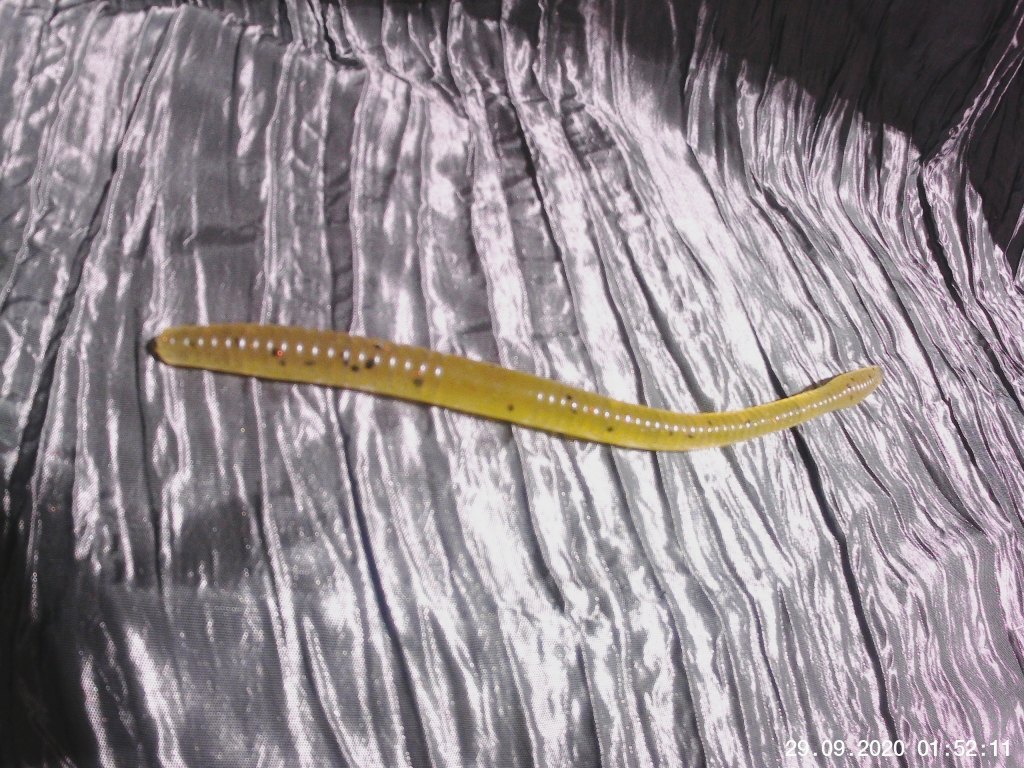
Best time to use sort plastic worms.
Out of all the artificial bait the plastic worm has caught more fish than any other bait created. The best time to use plastic worms is during the warm months when the water temperature is between 50 degrees to 80 degrees. This is when fish are more active and likely to be feeding, increasing your chances of catching them. Additionally, using soft plastic worms when fishing in weed beds, around docks, and any other areas with cover is also affective as it mimics natural food sources for the fish. It is important to note that different species of fish and fishing conditions may require different approaches, so it’s always best to do some research consult with local experts for the best results.

When to use a crankbait.
Crankbaits come in several sizes, shapes, color patterns, and it’s designed to dive at different depths. The best time to use a crankbait will depend on factors such as the type of fish you are targeting, the water temperature, and the time of day. Generally, a crankbait works well in shallow water during the spring and fall when fish are more active and moving towards the shore. During summer months, fish may move deeper into the water. So, a deep-diving crankbait may be more effective. It’s also important to consider the time of day- early morning and late afternoon tends to be the best time to use a crankbait. However, it’s always a good idea to experiment with different lures and techniques to see what works best in your fishing location.
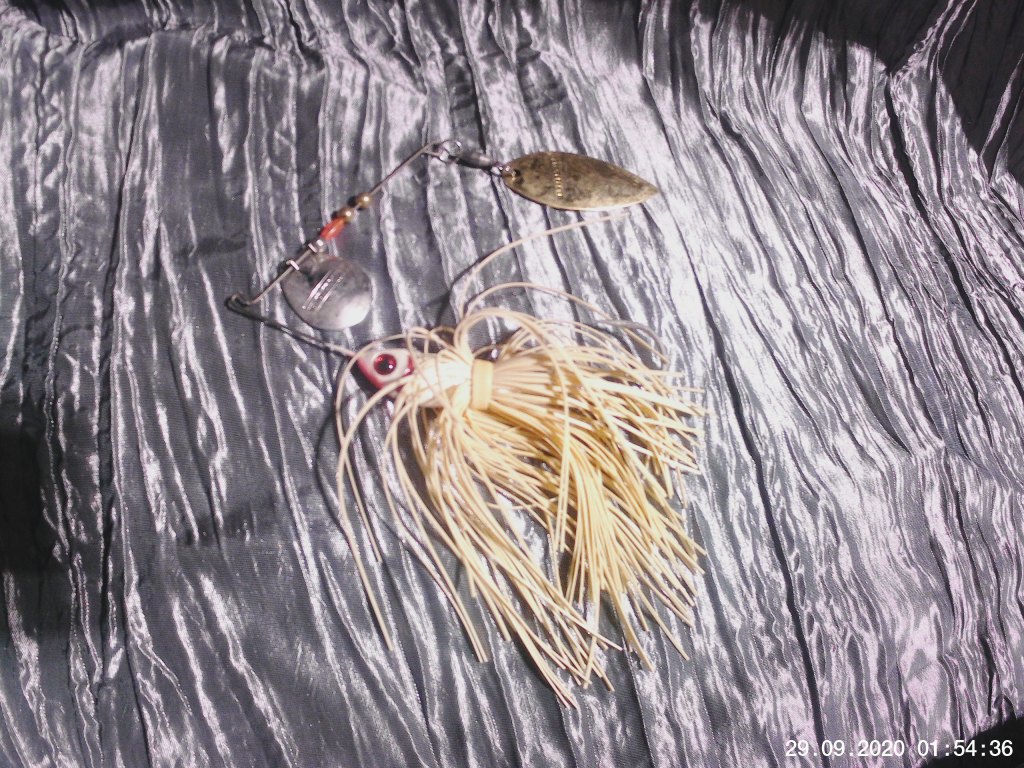
When is it time to use a spinnerbait?
Just like all the other baits mentioned in this blog, the weather and other factors which may affect the decision of using spinnerbaits. However, in general, spinnerbaits are effective in muddy or stained water, as their flash and vibration help fish locate the bait. Additionally, spinnerbaits can be effective in low-light conditions, such as early morning or late evening, when fish are more likely to feed near the surface. It’s also a good idea to experiment with different sizes and colors of spinnerbaits to see what works best in your fishing spot.
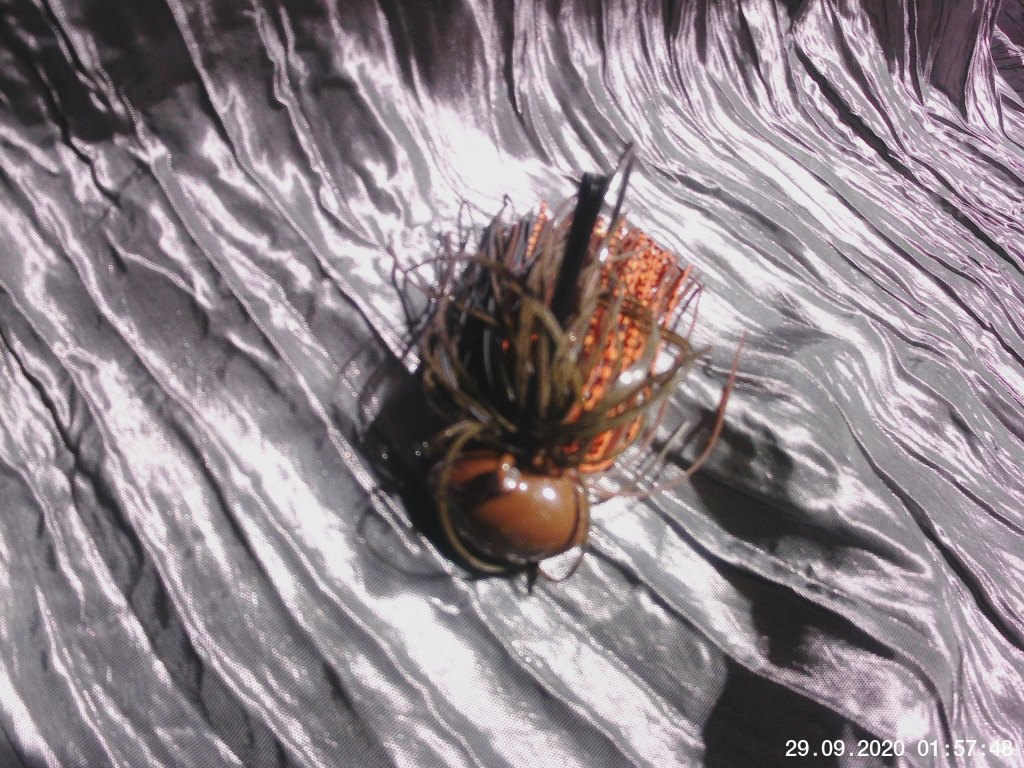
When to use a jig for a bass.
The best time to use a jig for bass is during spring, as the fish are active and preparing for spawning. Jigs are great for fishing in deeper water near structures such as rocks, logs or weed beds, where bass like to hang out. They can also be effective in the fall when bass are feeding aggressively before winter. It’s important to use the right size and color of jig based on the water conditions and the type of prey bass are feeding on. Darker colors like black or brown are good for stained water, while lighter colors like white or yellow work well in clearer water. Additionally, it’s important to vary the retrieve speed and technique when fishing a jig to entice the bass into biting. Slow, subtle movements can be effective, as can quick and erratic movements. Experiment to see what works best for the conditions you’re fishing in.

Best time for topwater baits.
Top water baits are most effective on bass when the water temperature is above 60 degrees (15.5 degrees C). This is because baits become more active and begin feeding more frequently during warmer water conditions. Additionally, topwater baits work best in low light conditions such as early morning or late evening when bass are more likely to be feeding near the surface. Finally, top water baits work best in areas with low vegetation or where there is open water for the bait to pop and splash on surface, making them more visible and enticing to bass. There are so many other baits you can choose from like the Alabama rig (A-rig), Ned rig, and the shaky head. So, if you’re just getting into the sport of fishing starting with the first five baits Mentioned in this blog there is a lot you can learn. If you have no one around to show you how to use these baits and their techniques, you can always find information on YouTube that will give you step by step instructions on the various techniques.
“Don’t B’ Wishin B’ Fishin”!!
Etiquette for Boaters
As a boater there’s a certain etiquette that you must follow in order to have a successful and safe trip on the water, and they are:
- Follow safety procedures: it is essential to follow safety procedures to ensure everyone on board and in neighboring boats remain safe. This means wearing life jackets, having safety equipment like fire extinguishers and anchors, and adhering to speed limits in congested areas.
- Observe navigational rules: Like traffic on the road, voters are expected to follow navigational rules when on the water. This includes adhering to channel markers and navigation buoys and giving way to the larger vessel.
- Be mindful of noise levels: loud music and engine noise can disturb other boaters and wildlife, so ensure you keep the noise levels down to a minimum.
- Avoid littering: keep the waterways clean by not littering, and ensure you dispose of your waste correctly. Don’t throw anything into the water that could harm the environment or aquatic life.
- Respect other boaters: It’s important to be courteous to other bolters by giving them space, not creating a wake and no wake zones, and keeping an eye out for anyone who might be in distress.
- Be aware of the weather: always check the weather forecast before heading out on the water and be aware of any incoming storms.
By adhering to these etiquette rules, you will ensure all boaters can enjoy the water and the natural environment without incident.
“Don’t B’ Wishin B’ Fishin”!
 Team Trail Bass'n Association